About “Route Choice”
Here you learn that there are often several alternative routes of different difficulty leading to the next control, and that it is up to you to choose the one you think is best.
The best route for you!
There can be different routes from one control to the next. Route choice means deciding which one to take.
The shortest route is the straight line, but there are always other “detours” that are easier, faster, safer, less tiring and more pleasant than going straight. The challenge is to find the route that is best for you!
This map shows three route choices from control 1 to control 2:
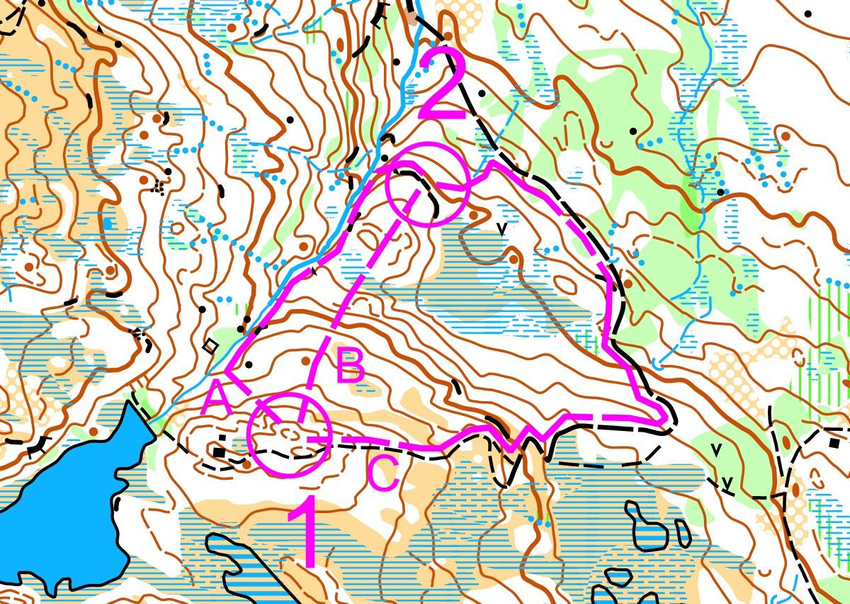
Route choice C goes far around to the right on a path.
Route choice A is shorter around to the left along the stream.
Route choice B is straight with no good line features.
Rules of thumb when choosing your route could be:
Easy to find the way, which you consider safe and secure.
Easy to move on, so you save energy.
Fast to walk/run, so you can keep higher speed.
Plan sensibly
Before you start toward the next control, you must plan the leg. Begin by finding 2–3 possible route choices on the map and consider:
Is it better to go straight, rely on catching features, or go around following line features?
From which side is it easiest to approach the control?
Which line features can you follow and which checkpoints can you use on the way?
Which route choice gives best map contact all the way to a reliable checkpoint near the control?

Tips
It is smart to find a completely reliable checkpoint as close to the control as possible. This point is called the “last reliable point” or “attack point.” The attack point should be a terrain feature that is clearer and larger than the control itself.
What is smartest?
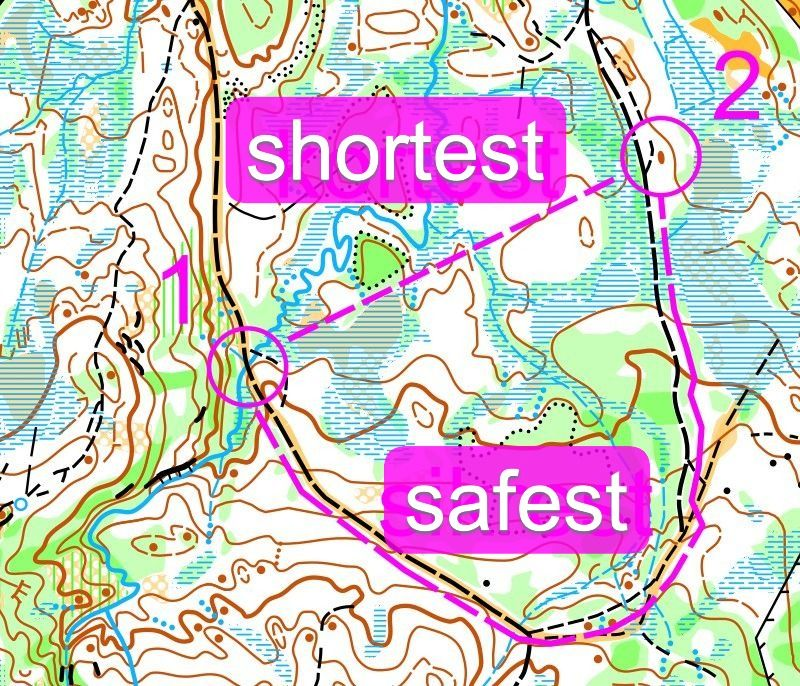
If you have little experience, you should choose:
The safest route? Or the shortest route?
ShowHide answer
Follow your plan
When you have decided on a route choice, you should:
Keep the map orientated as you go.
Use thumbing as you pass checkpoints.
Trust the decision you made; do not change route choice along the way.
Use the compass as a guide.
Example of route choice
You are standing on the knoll, control 1. The next control is in a reentrant, control 2. There are at least three good route choices – but which is best?
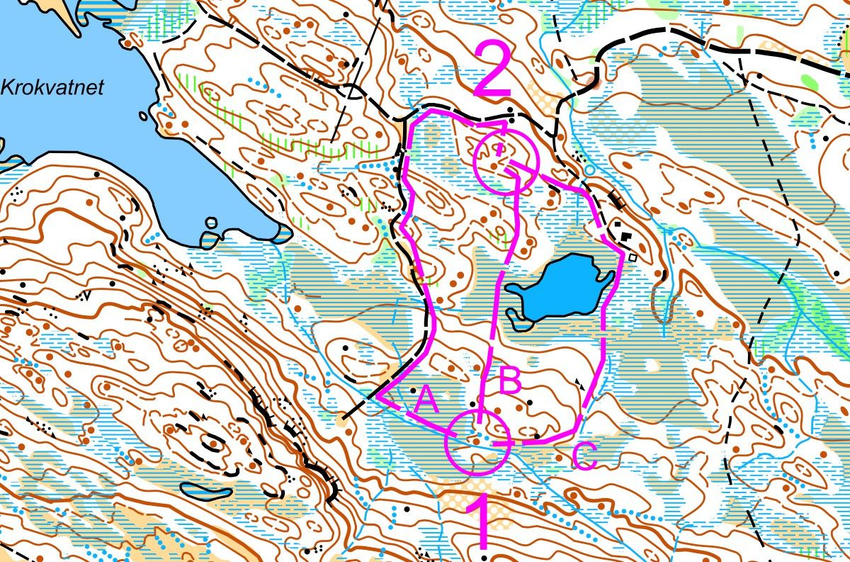
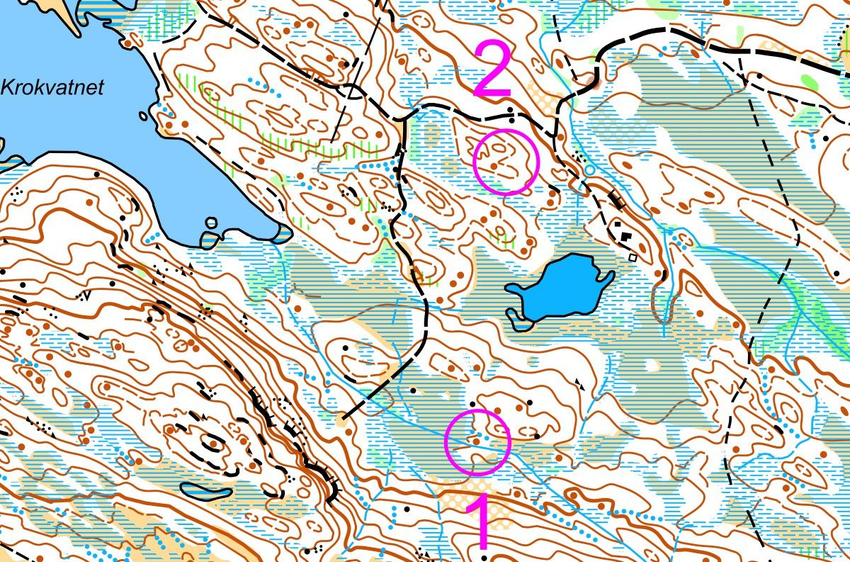
A. Left. You follow the stream, then the path. The last reliable point is the two boulders.
B. Straight. Down the slope, you pass the lake, over a hill and a marsh before reaching the next hill where the control is.
C. Right. Follow the marsh edge past the hill, follow the stream downhill, the lake is on your left, go up toward the cabin on the hill, follow the path westward until the stream and then turn left towards the control.
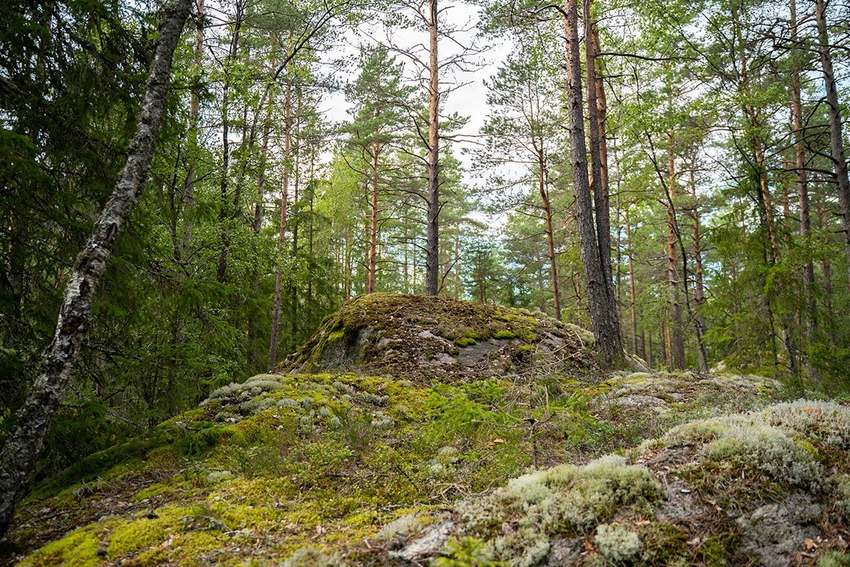
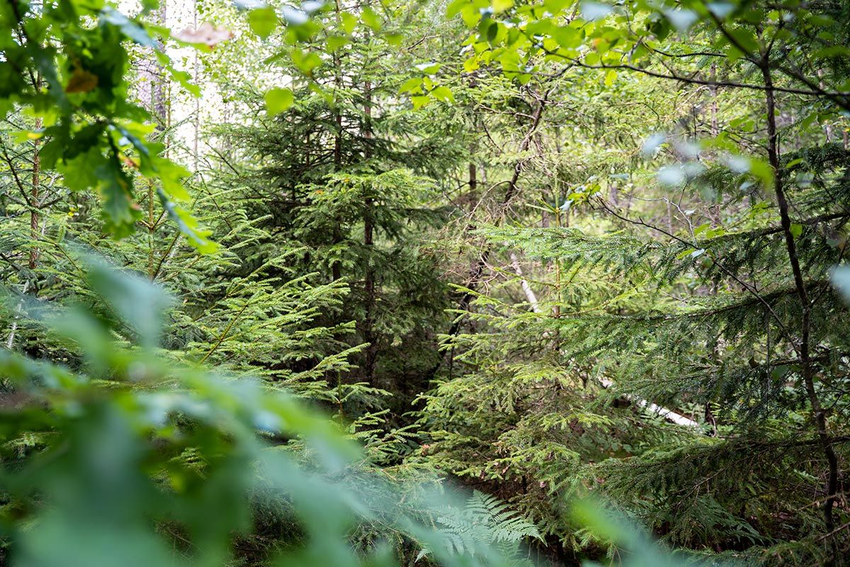
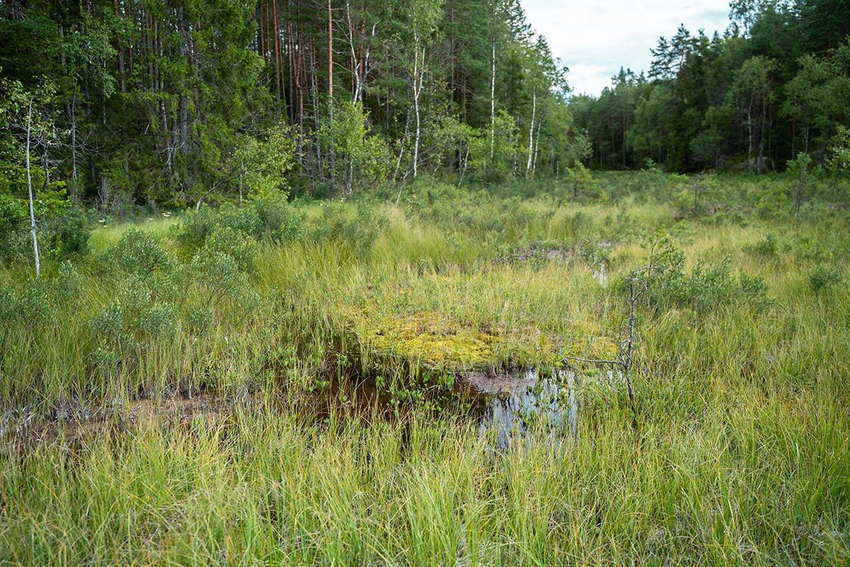
Go around!
Click the buttons to see what you should avoid:
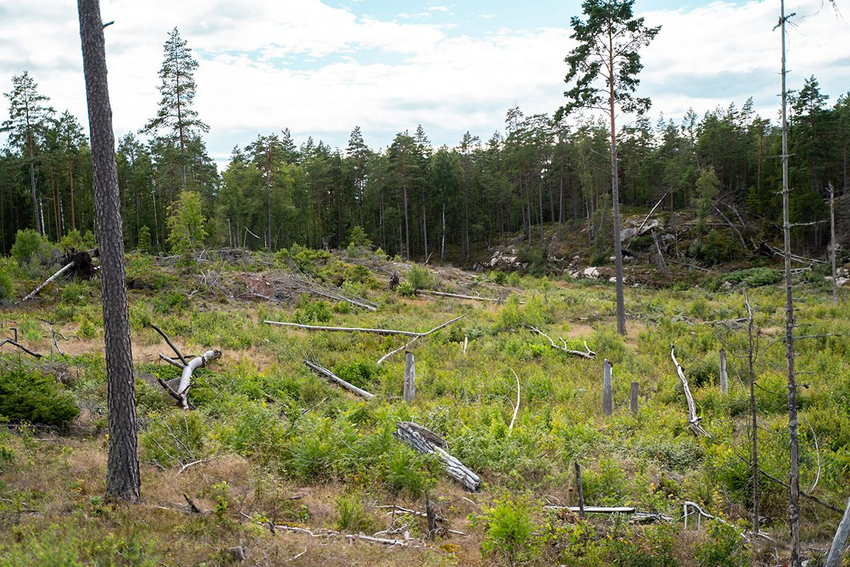
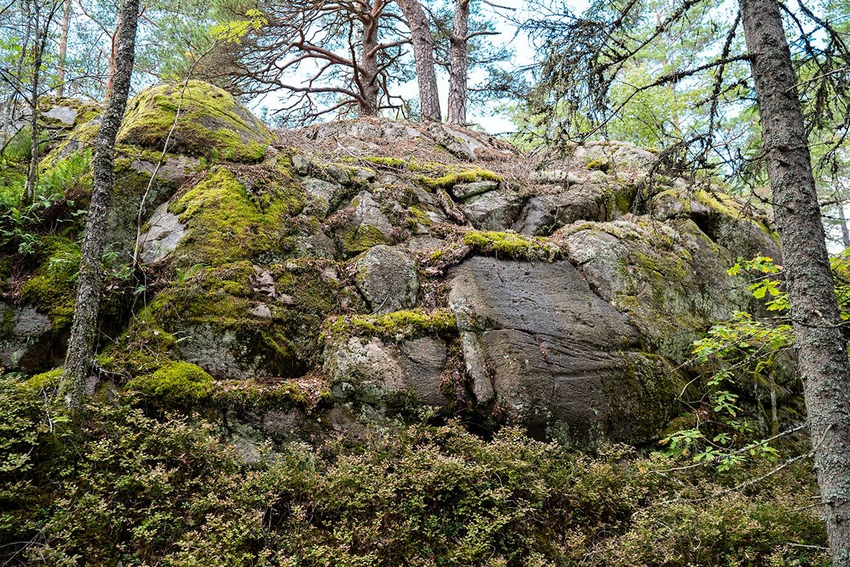
Fast and slow route choices
This animation shows 3 different route choices. Which one suits you best? Notice that the dot moves slowly in heavy terrain and quickly in easy terrain.
What have you learned?
Answer all questions correctly and win a gold medal!
The challenge of choosing a route choice is to find the option that …
.svgz-TERobEspJL.jpg)
Which route choice is the flattest?
Which route choice has the most uphill?
Which route choice is the longest?
Which route choice is the safest for a beginner?
What should you do before starting a route choice leg?

Activities
Play: Find a Route Choice (Activity Bank))
With orienteering map: Route Choice (Activity Bank))