About "Simplification"
Here you learn that it is smart to decide which details you should pay attention to and which are less important. You also learn what rough orienteering and fine orienteering mean.
The most important features
Orienteering maps are very detailed. You do not need, and rarely have time, to read all details on the map. Choose the most important ones and imagine a simpler version of the map. This is called simplifying. This way you save time, keep up the speed, and maintain progress.

Tips
Imagine the map only shows the most important things like paths, roads, streams, hills, marshes and ponds.
Rough and fine orienteering
On the leg between two controls you can often simplify a lot and only look for the most obvious features. This is called rough orienteering. Choose large features, line features and reliable checkpoints. Ignore small insignificant details such as boulders, knolls and cliffs.
From the last reliable checkpoint and toward the control you must be more precise. Then you switch to reading almost all the details. This is called fine orienteering. Pay attention to both the large and the small features you pass.
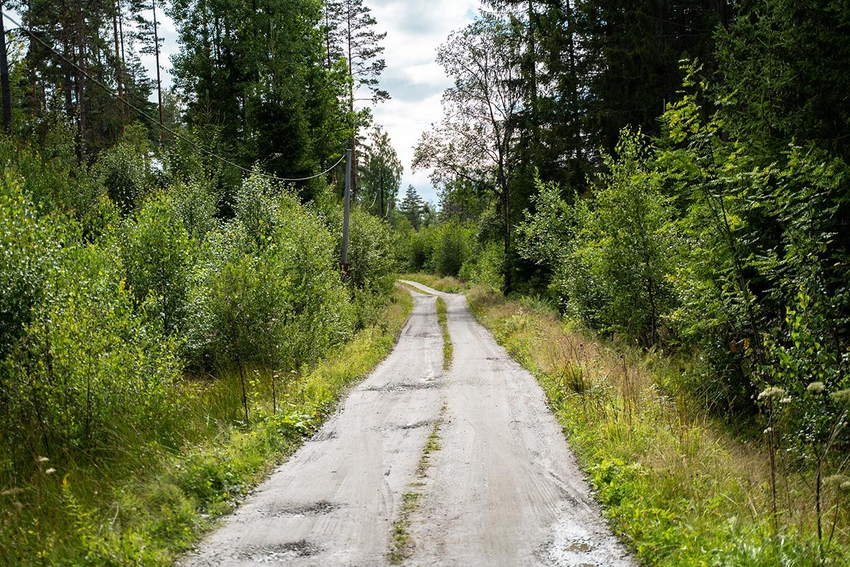
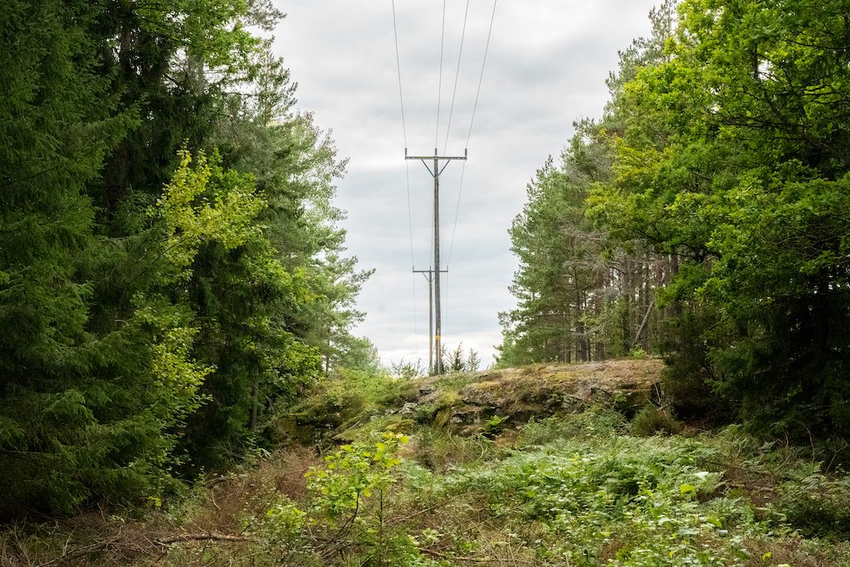
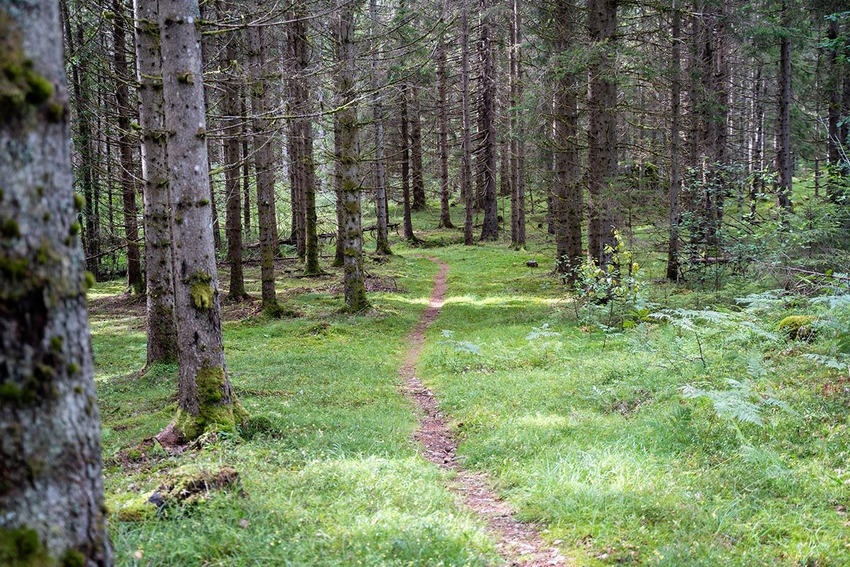
Obvious features
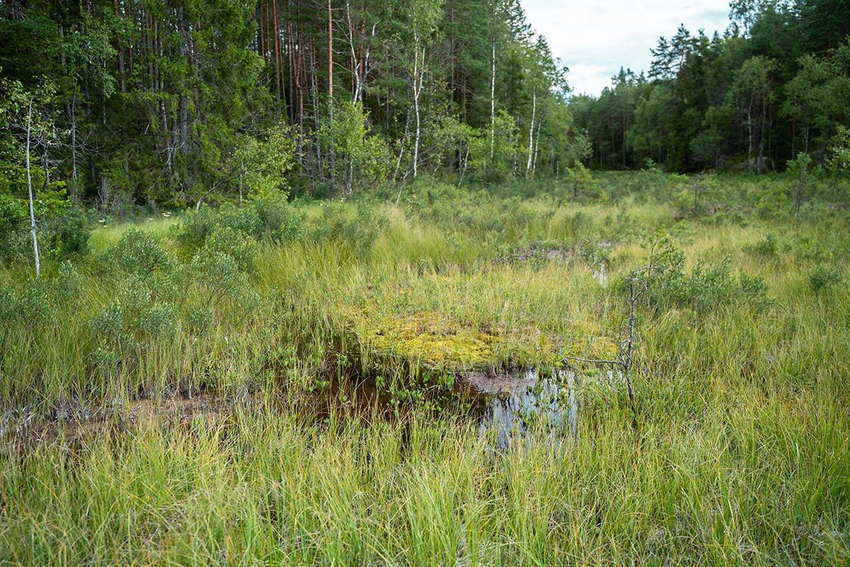
Look for these features on the map when you simplify. Click the buttons.
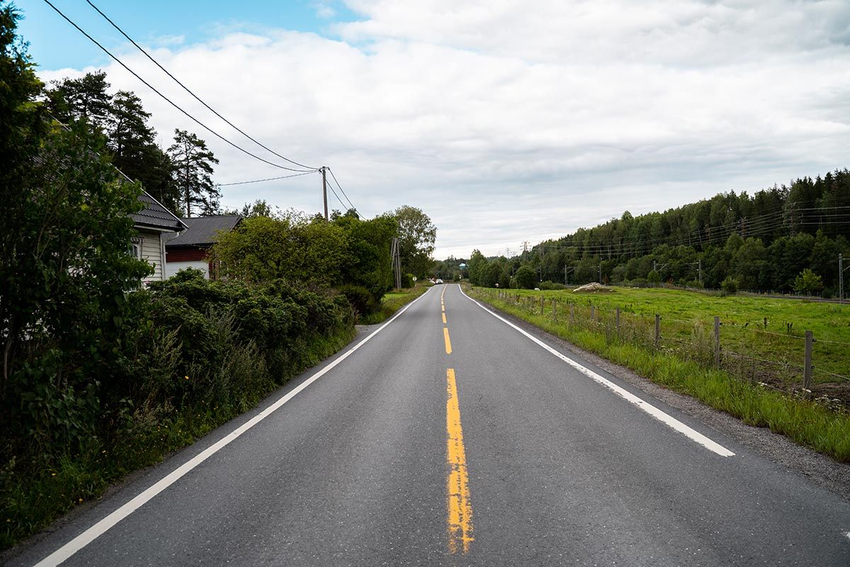
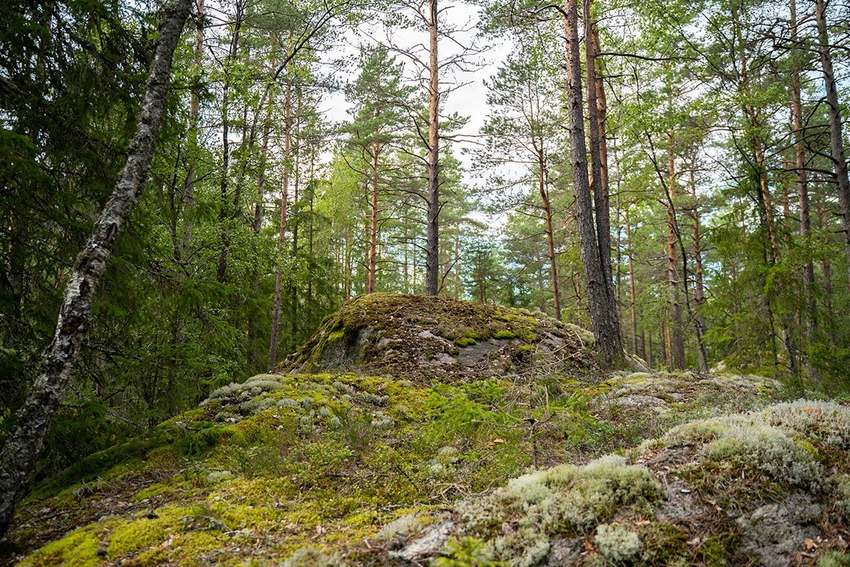
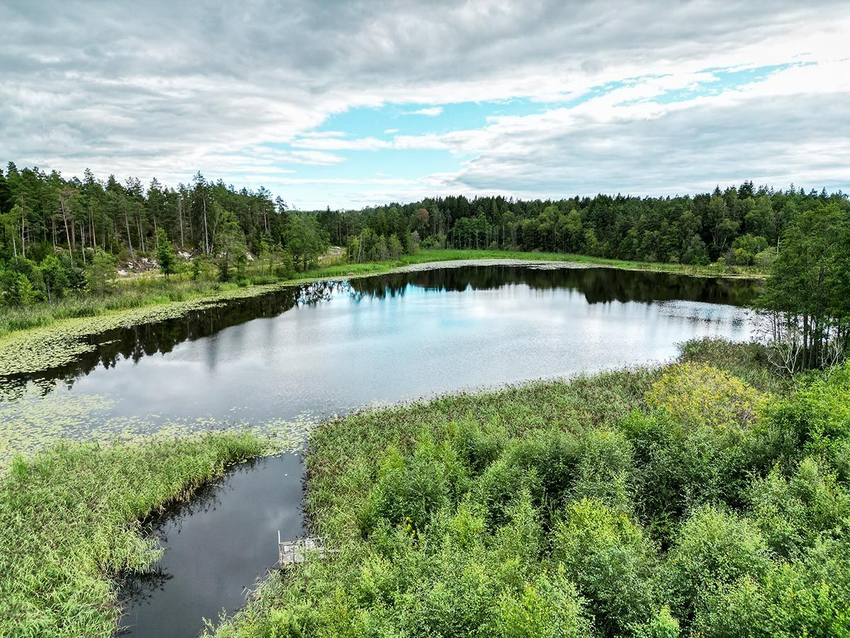
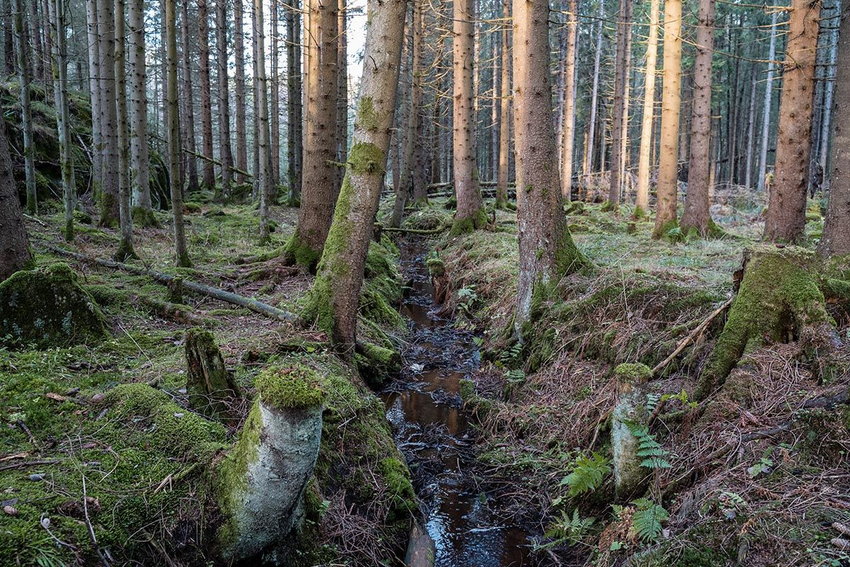
Try simplification
In the example below you start on the hill. Drag the slider to see how you can simplify the map image by focusing on selected features.
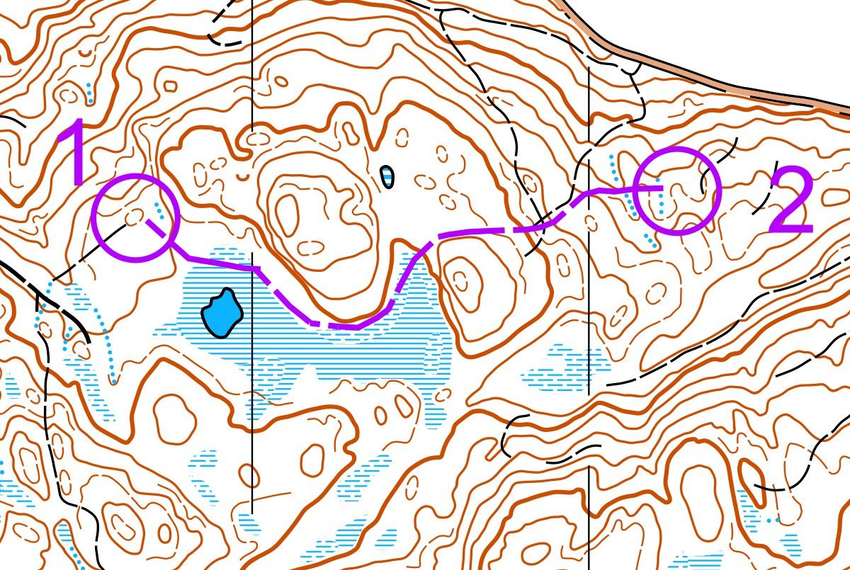
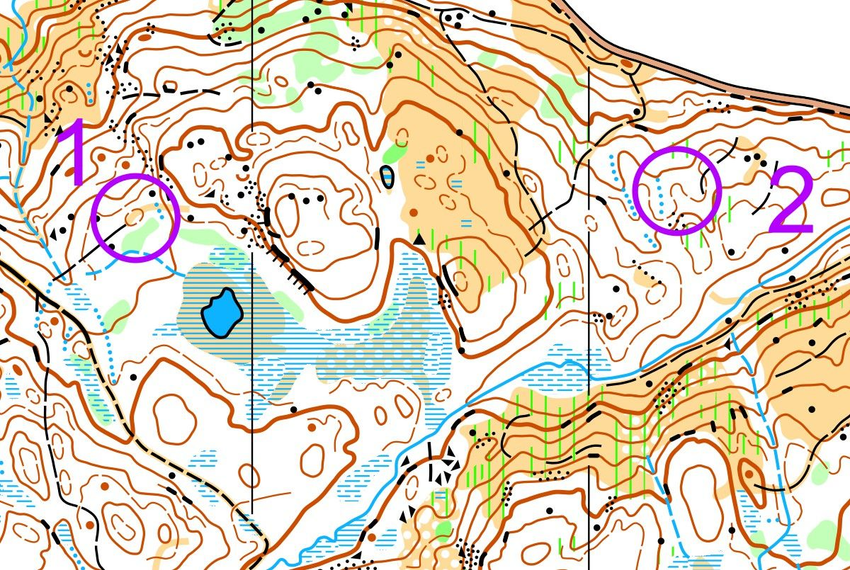
Run towards the lake and follow the edge of the marsh. You have a larger hill to your left. At the end of the marsh there is a new larger hill to your right. In the slope behind the hill you reach the paths and then must fine orienteer toward the control.
Simplifying in different terrain types
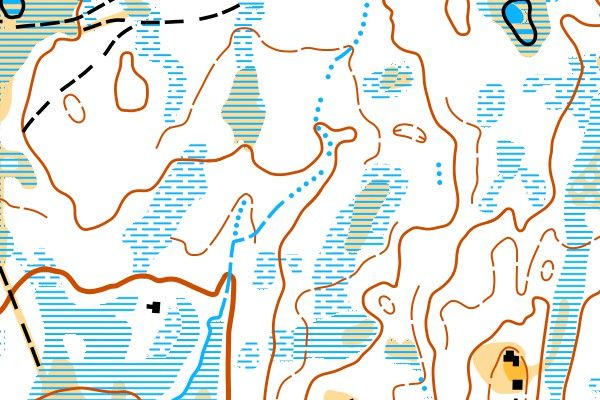
Is it easiest to simplify in terrain 1 or terrain 2??
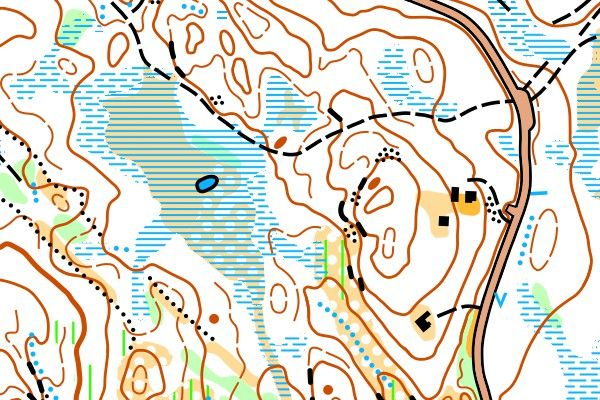
ShowHide answer
Practice rough and fine orienteering
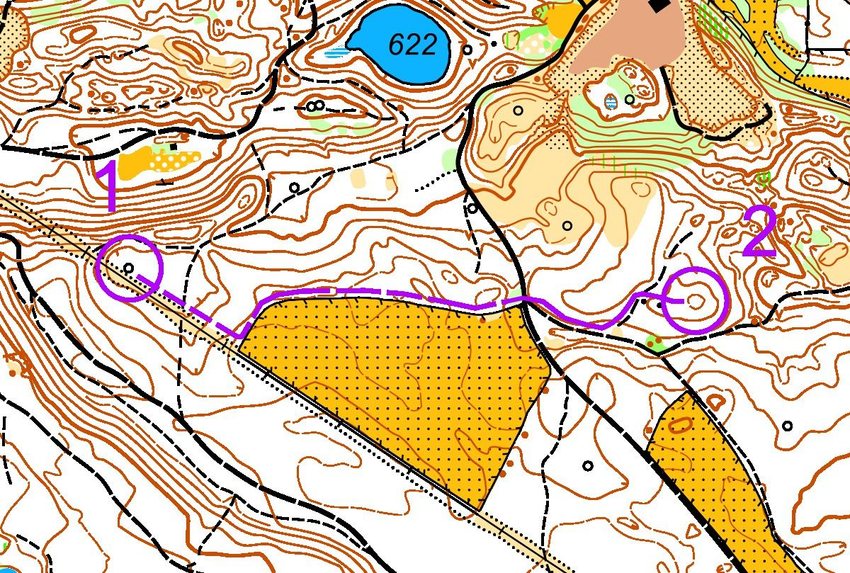
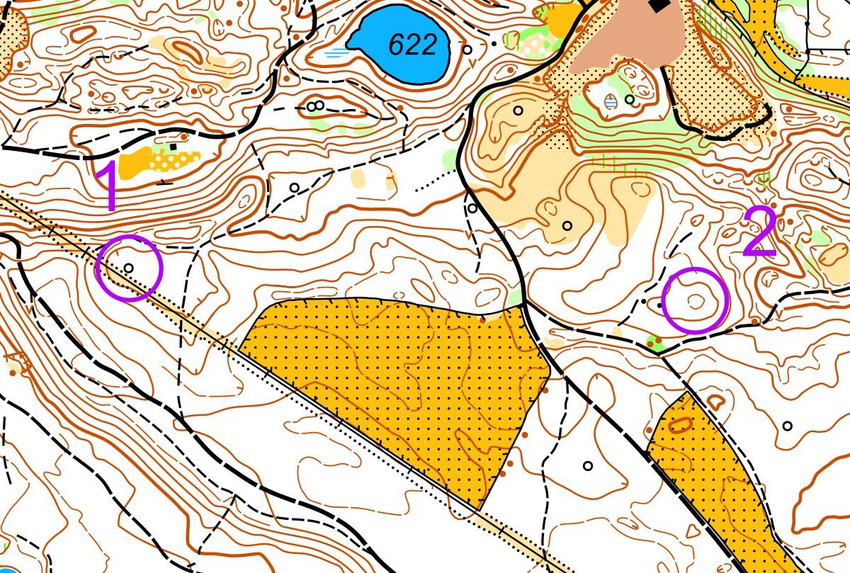
In the next example you practice rough and fine orienteering. Drag the slider. You use the power line, the fence along the field edge and the major path to rough orienteer. You can walk fast or run because you do not need to watch small details. When you reach the small open area the fine orienteering begins. From here you slow down and check every tiny detail – the indistinct path, the boulders – and into the control on the hill.
What have you learned?
Answer all questions correctly and win a gold medal!
What is meant by simplification?
What is rough orienteering?
What is fine orienteering?
Why is fine orienteering usually slower than rough orienteering?
Which of these features can you often use for rough orienteering?
Which of these features can you often use for rough orienteering?
Which of these features can you often use for rough orienteering?

Activities
With orienteering map: Map Memory (Activity Bank))
With orienteering map: Memorize Route Choice (Activity Bank))